Our Mission
To establish a robust national genetic framework that improves healthcare outcomes, enables personalized medicine, and advances genetic research in Pakistan.
Our Vision
A Pakistan where genetic insights lead to better diagnosis, treatment, and prevention of genetic diseases, enhancing the quality of life for all.


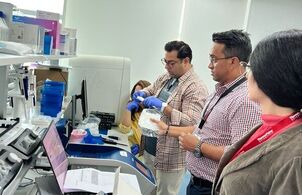
Internship Program at
|

|
Meet Our Team

DR RIZWAN MALIK
|

DR TARIQ SHAH
|
|

What is Human Genetics?
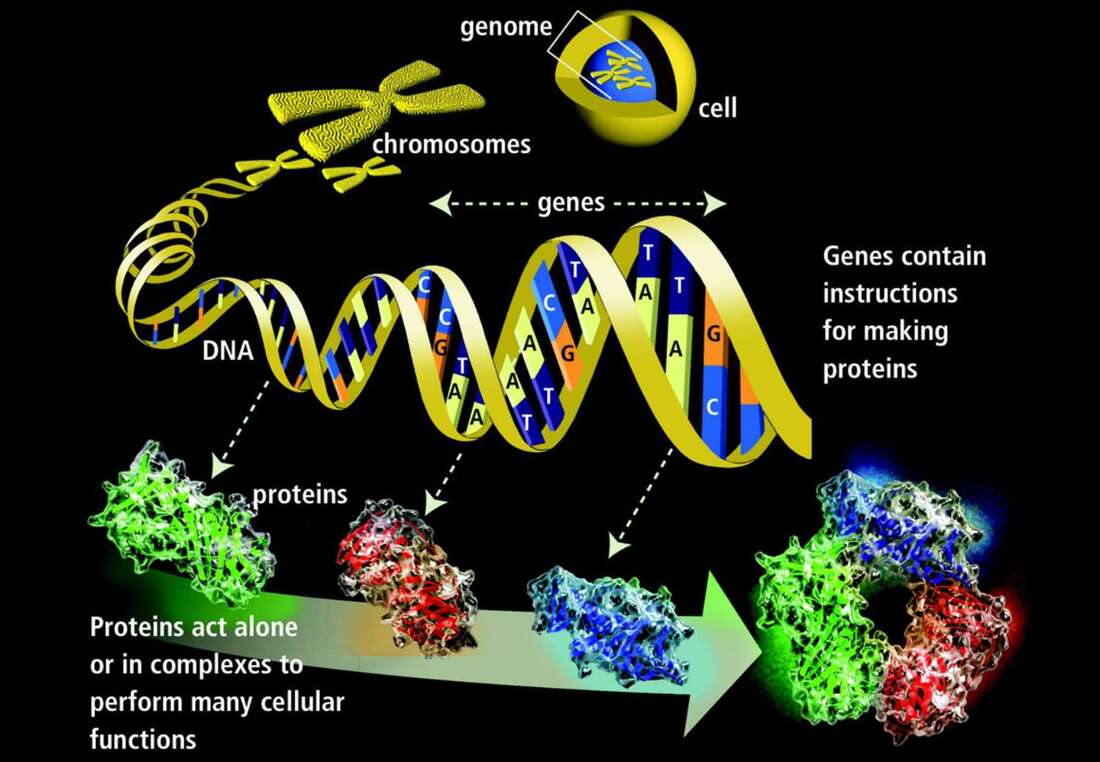
Pakistan faces a significant burden of genetic disorders, largely due to the high prevalence of consanguineous marriages and limited public awareness about genetic health. These practices increase the risk of inherited conditions, impacting families and healthcare systems. Our initiative is committed to addressing these challenges by leveraging cutting-edge genetic technologies, such as genomic sequencing, genetic counseling, and prenatal screening. We aim to raise awareness, provide accessible genetic testing, and empower communities with knowledge to make informed decisions. Through education, research, and collaboration, we strive to reduce the prevalence of genetic disorders and improve the quality of life for future generations in Pakistan. Join us in building a healthier, genetically informed society.
Your voice matters—let’s shape the future of genetics together!
At COE4 Human Genetics, we value collaboration and community engagement in genetics. COE4 Human Genetics invites researchers, healthcare professionals, and enthusiasts to share blogs, research letters, or data to advance genetics education and innovation. Join our community to inspire, educate, and drive progress in human genetics in Pakistan and beyond. Submit your work today and be part of a community dedicated to making a difference!
Data Collection and ManagementDeveloping centralized databases for genetic information.
Implementing cloud-based data storage solutions. Ensuring data security and compliance with privacy regulations |
Bioinformatics for Genetic ResearchAnalyzing large genomic datasets for pattern recognition.
Developing algorithms to predict genetic predispositions. Collaborating with healthcare professionals for data interpretation. |
Digital Health InitiativesIntegration of genetic data with electronic health records.
Telemedicine services for genetic counseling. Mobile health applications for patient education and engagement. |
Role in Genetic DiagnosticsEarly detection of genetic disorders using advanced screening methods.
Application of precision medicine strategies for personalized treatment. |
Developing Predictive ModelsUtilizing AI and machine learning to identify genetic risks.
Enhancing patient prognosis through data-driven insights. |
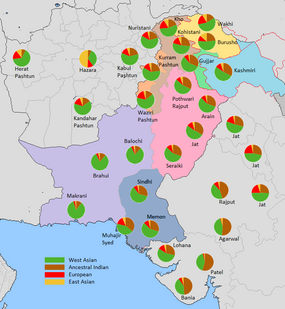
The Genetics of Pakistan: A Diverse Tapestry of Ancestry
|
Pakistan, located at the crossroads of South Asia, Central Asia, and the Middle East, boasts a rich and diverse genetic heritage. The population of Pakistan is a mosaic of various ethnic groups, including Punjabis, Sindhis, Pashtuns, Baloch, and Kashmiris, each with unique genetic markers shaped by centuries of migration, trade, and conquest. Studies reveal a blend of ancient Indus Valley Civilization ancestry, Central Asian steppe influences, and traces of Middle Eastern and South Asian genetic contributions. This genetic diversity not only reflects the country's historical significance as a cultural and trade hub but also provides valuable insights into human migration patterns and the spread of civilizations. Understanding Pakistan's genetics is crucial for medical research, as it helps identify population-specific health risks and contributes to global genetic studies.
|
"Genetic research holds the key to unlocking the mysteries of life itself, offering profound insights into our past, present, and future. It is a journey into the very blueprint of existence, where science meets the infinite potential of what it means to be human."
— Inspired by the advancements and possibilities in the field of genetics.
Stay Updated !
|
|