Center of Excellence for Human Genetics Pakistan
  • Home
  • Our Initiatives
  • Global Partnerships & Collaborations
  • Policy
  • New letters
  • Contact Us
  • Home
  • Our Initiatives
  • Global Partnerships & Collaborations
  • Policy
  • New letters
  • Contact Us
Search

Our Endeavors

Find information about what we're working on, including participant resources
​Our Impact

COE4 Human Genetics is driving genetics research, improving healthcare outcomes, and shaping policies for managing genetic disorders in Pakistan — with impact shown through key statistics and achievements.

​Addressing Genetic Disorders in Pakistan


Picture
  • 1.2 M children/year born with genetic diseases
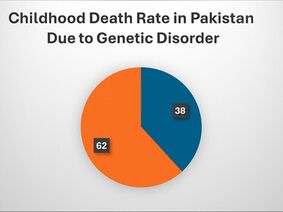
  • 38% of childhood deaths linked to genetic disorders
  • Beta-Thalassemia: 100,000 patients, +5,000 new cases/year
  • Cystic Fibrosis: 1 in 2,500 newborns affected
  • Congenital abnormalities: 6–8% of neonatal deaths
​​

By promoting early genetic screening and precision medicine, COE4 Human Genetics contributes to reducing mortality rates and improving healthcare outcomes for these patients.
Picture

​​ Economic Impact of Genetic Diseases

  1. The economic burden of genetic disorders in Pakistan is estimated at over $1 billion annually in healthcare costs.
  2. Early diagnosis through genetic testing can reduce healthcare expenses by 30% and improve patient survival rates.
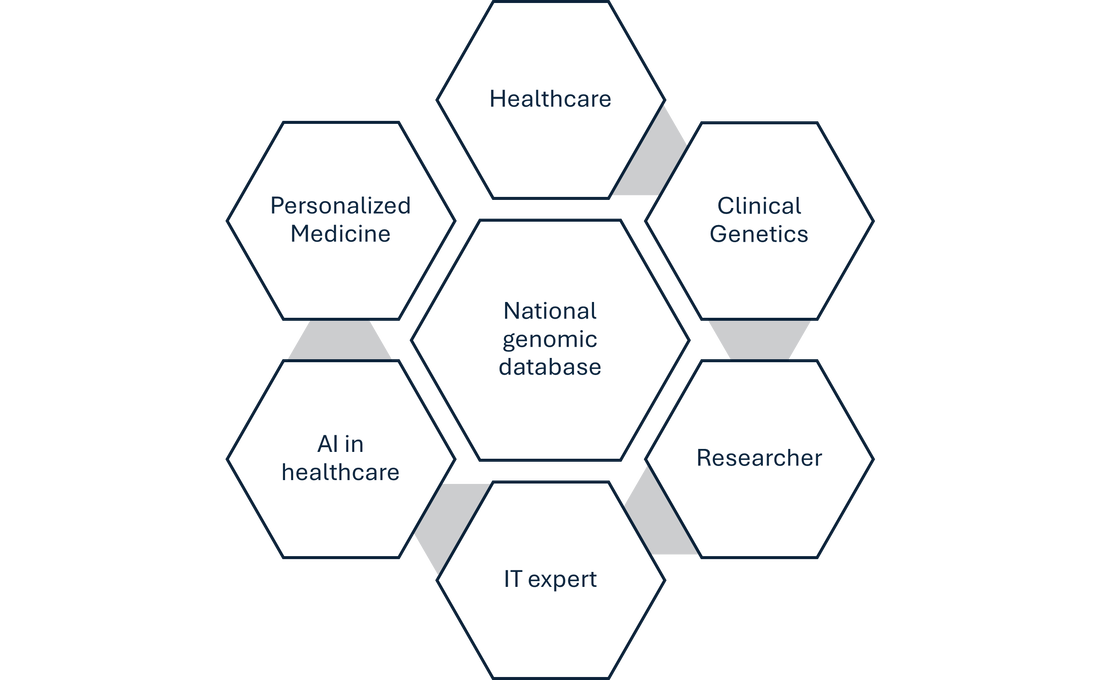
COE4 Human Genetics is working towards the development of a national genomic database to improve disease tracking, early interventions, and cost-effective healthcare solutions.
Picture

​​Our Focus Areas

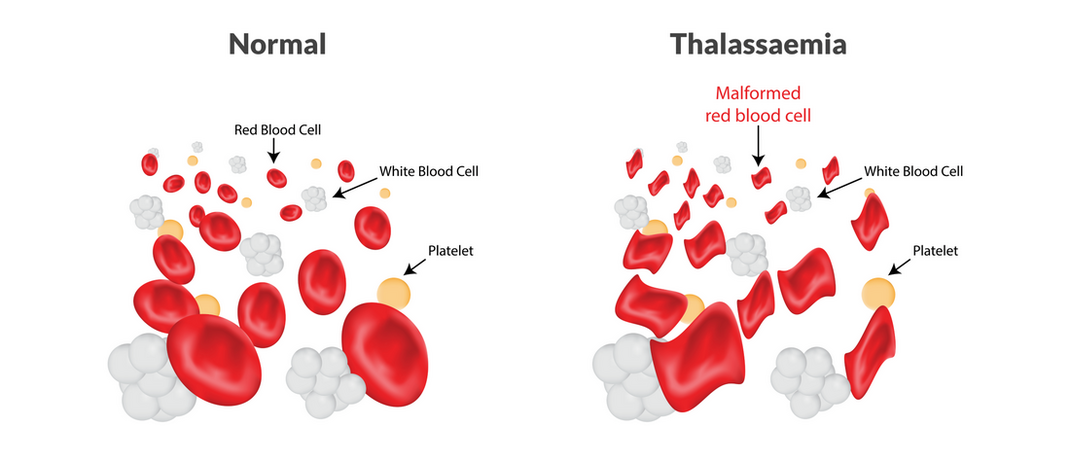
There are several types of thalassaemia, and the most common forms are alpha and beta thalassaemia. Clinically, patients with thalassaemia can present with thalassaemia minor or thalassaemia major.

​​Thalassaemia Minor
Thalassaemia minor, or Thalassaemia trait, occurs when the person is a carrier of the thalassaemia gene. These people have usually inherited the thalassaemia gene from only one parent, and hence still have a normal functioning haemoglobin gene from the other parent. While thalassaemia patients often have a slightly lower haemoglobin than normal, the majority of them are entirely healthy and lead a normal life, as they are still able to produce sufficient haemoglobin for the body to function. However, the affected person can pass on the abnormal gene to their children.


​​Thalassaemia Major
Thalassaemia major is a severe form of anaemia. It occurs when the person has inherited two thalassaemia genes, one from each parent. They may suffer from severe anaemia from an early age. These patients often require life-long blood transfusion support, and they suffer from poor growth and development as children. Over time, they may experience iron overload due to repeated blood transfusions, and this can cause damage to their organs, including the heart and liver. As a result, many thalassaemia major sufferers have a shorter lifespan.
Picture

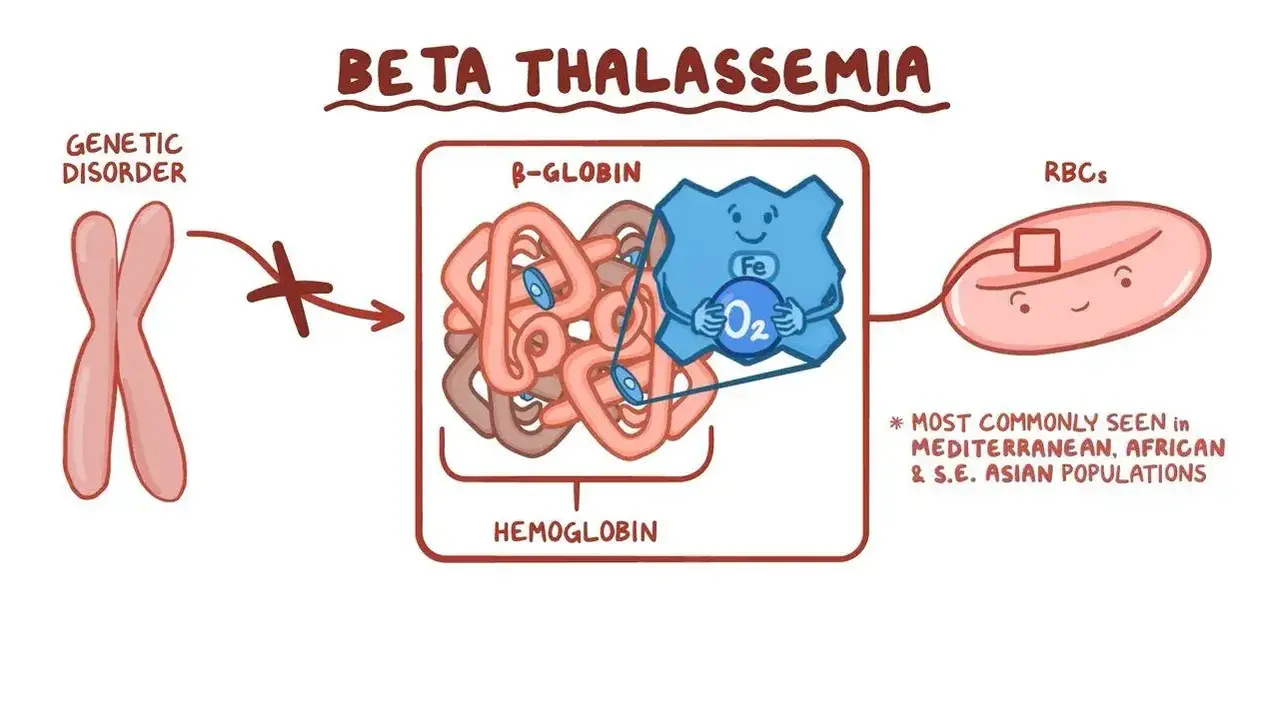
​Beta-Thalassemia​

Beta-Thalassemia is a genetic blood disorder that reduces the production of hemoglobin, the protein in red blood cells responsible for carrying oxygen throughout the body. This leads to anemia, fatigue, growth delays, and organ complications.​
Learn More
Picture

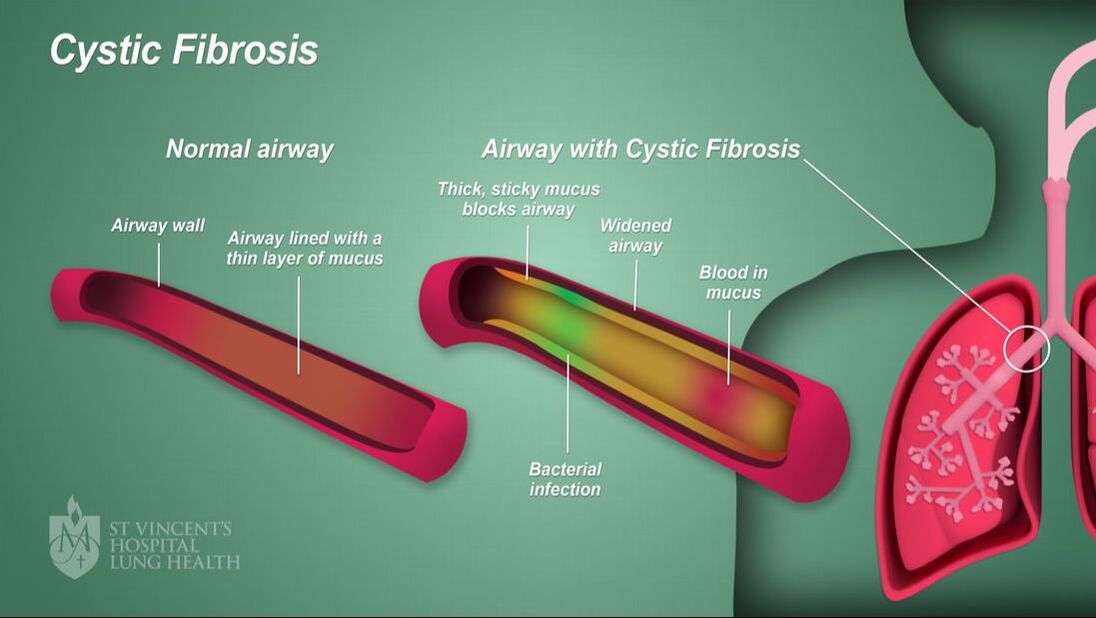
Cystic Fibrosis​

​Cystic Fibrosis (CF) is a genetic disorder that affects the lungs, digestive system, and other organs. It is caused by mutations in the CFTR (Cystic Fibrosis Transmembrane Conductance Regulator) gene, leading to the production of thick, sticky mucus that clogs airways and disrupts normal organ function.​
Learn More
Picture

Congenital Abnormalities

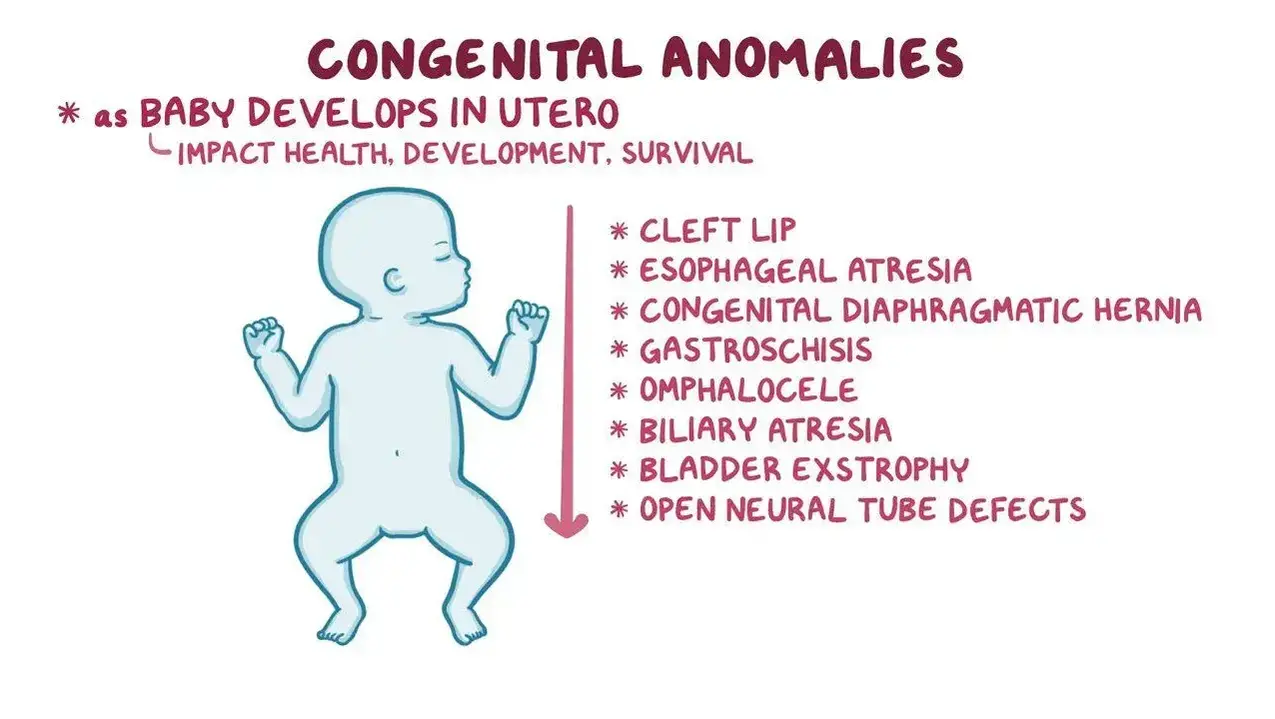
​Congenital abnormalities, also known as birth defects, are structural or functional disorders present at birth that affect different parts of the body, including the heart, brain, limbs, and organs. These abnormalities can be caused by genetic mutations, environmental factors, infections, or maternal health conditions during pregnancy.​
Learn More

​Academic Initiatives

​Collaboration & Partnership Opportunities:

​​At COE4 Human Genetics, we believe in collaborative innovation to advance genomic research and healthcare. We partner with universities, research institutes, biotech firms, and global organizations to drive breakthroughs in genetic diagnostics, precision medicine, and bioinformatics.
​🔹 Research Collaborations – Partnering on genetic disorder studies, AI-driven diagnostics, and public health initiatives.
🔹 Industry Partnerships – Working with biotech and tech firms to develop genomic databases, precision medicine tools, and telemedicine solutions.
🔹 Internship & Training – Offering hands-on research programs in genetics, AI, and data science.
🔹 Global Alliances – Collaborating with NIH, Genomics England, FINN GEN, and Saudi Genome Program to advance genetic research.

Workshops and Training

We offer regular training sessions, workshops, and webinars designed for healthcare professionals, researchers, and students, focusing on:
🔹 Genetic Testing Techniques – Advanced methodologies for accurate diagnosis and screening.
🔹 Bioinformatics & Data Analysis – Harnessing computational tools for genetic research.
🔹 Ethical Considerations in Genomics – Ensuring responsible and ethical use of genetic data.

Fellowship and Internship Opportunities

We support young scientists and students by providing hands-on experience in genetic research and clinical applications through:
🔹 Internships & Fellowships – Practical training in genetics, bioinformatics, and precision medicine.
🔹 Research Opportunities – Real-world projects in genetic diagnostics and disease studies.
🔹 Mentorship & Career Development – Guidance from industry experts and leading researchers.

Publications and Contributions

Our research findings are regularly published in leading scientific journals, contributing to the global body of knowledge in genetics.
​
🔹 Gene Therapy Innovations – Breakthroughs in treating genetic disorders.
🔹 Epigenetics & Chronic Diseases – Understanding how gene regulation impacts health.
🔹 Genomic Insights into Rare Diseases – Unlocking genetic factors behind rare conditions.

Research Facilities and Resources

Our state-of-the-art laboratories and advanced bioinformatics tools enable groundbreaking discoveries in genetics.
​🔹 Next-Generation Sequencing (NGS) – High-precision genetic analysis.
🔹 Advanced Computational Tools – Powerful data processing for genomic research.
🔹 Extensive Genomic Databases – Access to diverse patient cohorts for in-depth studies.

Genomic Database & Personalized Medicine

We are building a comprehensive genomic database for the Pakistani population to advance genetic research, disease prevention, and precision medicine.
🔹 National Genomic Database – Cataloging genetic variations for disease prediction and research.
🔹 Genetic Testing for Personalized Medicine – Tailoring treatments based on individual genetic profiles.
🔹 AI-Driven Risk Assessment – Using advanced analytics to predict and prevent genetic disorders.

Get in Touch With Us

Submit
Site powered by Weebly. Managed by Hostmonster
  • Home
  • Our Initiatives
  • Global Partnerships & Collaborations
  • Policy
  • New letters
  • Contact Us